
Thailand Ride-Hailing Apps Real Experience: How to Save Money and Avoid Pitfalls with Transportation!
In recent years, people living in Thailand or frequently traveling back and forth have basically shifted from:hailing taxis on the street → to → using ride-hailing apps. The reason
Thai Owl Nightlife · · 5 min read · 0 views
In recent years, people living in Thailand or frequently traveling back and forth have basically shifted from:
hailing taxis on the street → to → using ride-hailing apps.
The reason is not simply convenience, but that the entire taxi ecosystem in Thailand has undergone significant changes:
Platforms are competing for market share with various subsidies — not only for users but also for drivers — so drivers are more willing to accept app orders.
The success rate of flagging a metered taxi on the street has dropped. Because there is no trust foundation between passengers and drivers, passengers are naturally wary of drivers, and drivers find it hard to overcharge, so they have to stick to the meter.
During peak hours, street drivers suddenly raise prices without warning — increases of hundreds of baht are common — or simply refuse passengers, leaving many people unable to get a ride.
Thailand is a tourist country, so language has become a major issue. People from different countries have different English accents, and mutual misunderstanding happens frequently, which indirectly raises the cost of communication. As a result, fewer people like to hail taxis directly on the street.
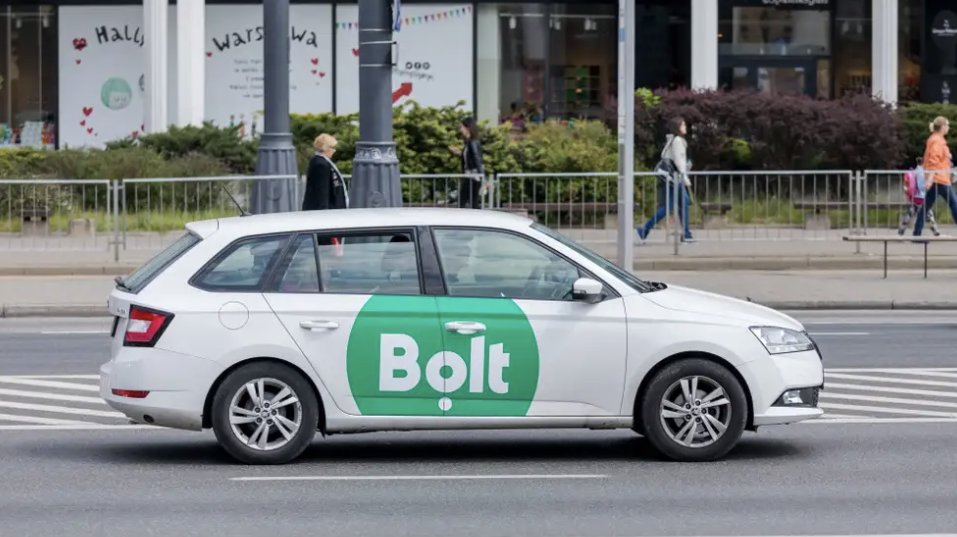
Currently, the two most mainstream ride-hailing apps in Thailand are:
👉 Bolt
👉 Grab
This article is based on long-term real testing and actual usage scenarios by local veterans, to clearly explain which app to use in Bangkok’s complicated traffic, how to choose vehicles, and how to avoid pitfalls.
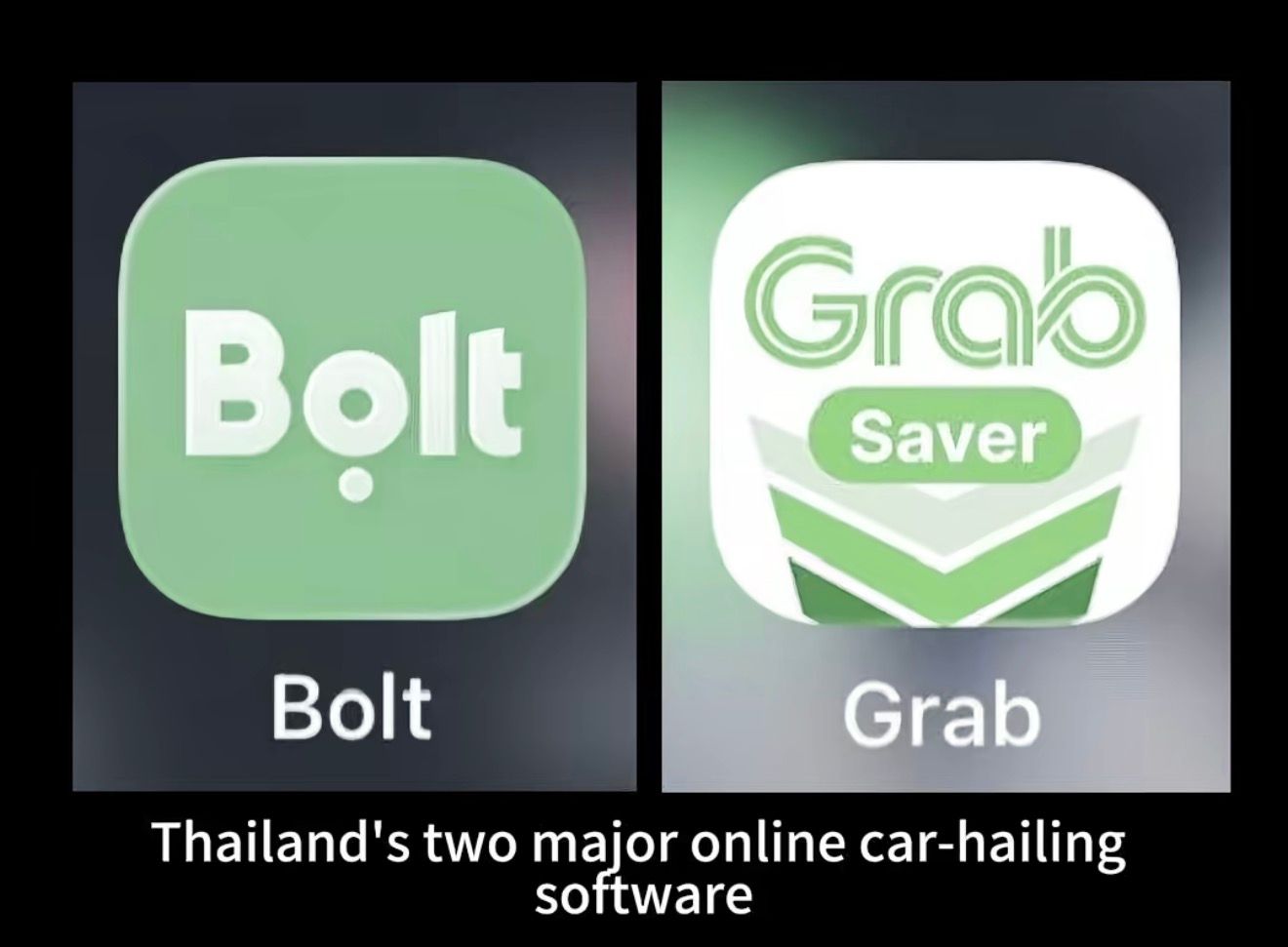
First, the positioning of the two products:
Bolt
Relatively lower prices
More local users
Usually cheaper during normal hours
Only for ride-hailing
Main payment methods: Thai bank cards and cash
Wide coverage
Grab
More comprehensive services
More popular among tourists
More stable pricing
Also has food delivery, express delivery, etc.
Complete electronic payment options
Strong coverage in big cities
About pricing:
Many people assume Bolt is always cheaper than Grab, but that’s not entirely true.
During normal hours, Bolt may be 10–25% cheaper.
During peak hours, the difference is minimal, and in some areas Grab can even be cheaper than Bolt.
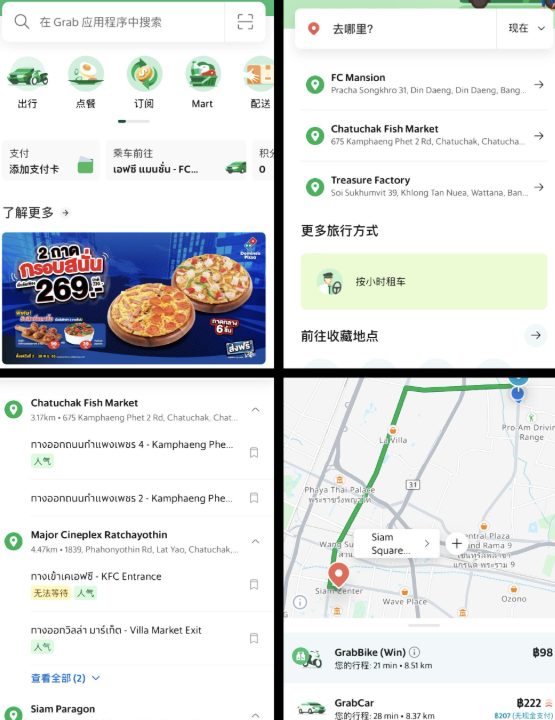
Grab has also introduced a low-price mode: after clicking to request a ride, you are forced to watch a 10+ second ad, and the price becomes lower.
Best practice: Open both apps at the same time and choose whichever is cheaper.
I recommend downloading both apps.
In terms of efficiency:
In the city center, both apps can get you a car, but Grab is usually faster.
In more remote areas (old town, residential areas, etc.), Bolt performs better.
During peak hours, Grab’s prices rise noticeably, while Bolt drivers often cancel after accepting the order — probably because the price is too low and they don’t want to take it.
Taking motorbike taxis as an example:
Bolt drivers usually ride smaller motorbikes, mostly local drivers who know the routes well and often don’t need navigation. The downside is that they cancel orders more easily.
Grab drivers generally have newer vehicles; some even ride larger motorbikes that can seat two adult men. Payment is more standardized and more tourist-friendly. The downside is that it can sometimes be quite expensive.
Usage tip: Download both apps and compare them. This way you can also take advantage of the competition between the platforms.
Finally, about street tuk-tuks:
Many tourists like to take these three-wheeled vehicles.
In Bangkok and Pattaya it’s still manageable, but some tourists in Phuket get a real shock when they reach the destination and hear the price the driver demands — it often feels like they’re paying for a round trip. Locals basically never take tuk-tuks; they are truly prepared for tourists, so the quoted prices are frequently outrageous.
Locals usually have designated motorbike taxi stands or take public transport (such as songthaews in Pattaya).
But some people still really want to ride a tuk-tuk — the drivers play music, and the breeze feels comfortable and free.
If you really want to take one and get a better price:
Open your app (Bolt or Grab), enter your destination, look at the motorbike taxi price, then add about 50 baht on top. That is basically the lowest price a tuk-tuk driver will accept. No matter what price he quotes, just bargain down toward that minimum. In most cases, you can successfully negotiate it down.
Related reading
 Guide to Thailand's Cabaret Shows: How to Choose Among the Top 5Read story
 Phuket Nightlife Guide: Go-Go Bars, Thai Baths & Practical Consumption TipsRead story
 A Deep Dive into Patpong: Bangkok’s 3rd Red Light DistrictRead story

Reader comments
Share your perspective. Comments are moderated. Do not post members-only content, personal information, advertising or links.
Loading comments…